
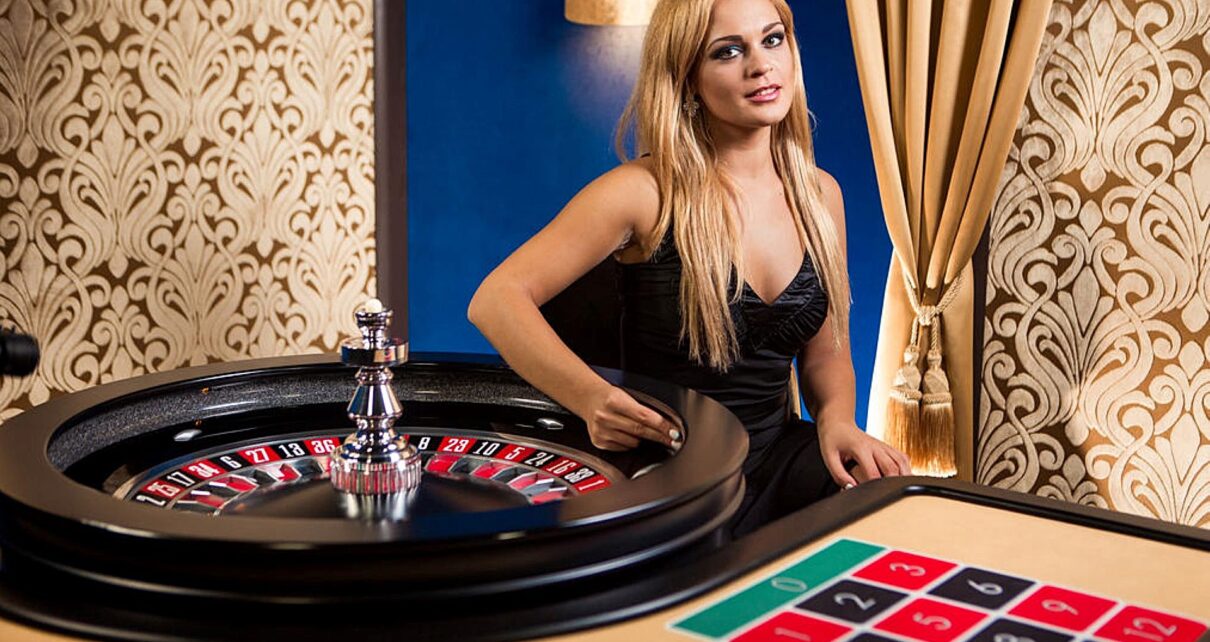
Live dealer roulette sessions run on open chat systems where players send messages throughout every spin. Studios hosting these tables manage high message volumes across every shift, and bitcoin roulette sites that carry live content depend on structured protection layers to keep dealers focused on the game rather than exposed to hostile or inappropriate text. Without those layers, dealer performance and session quality would both deteriorate during peak traffic periods.
How filtered feeds protect dealers?
Not every message a player types in the chat panel reaches the dealer’s monitor. Live studio systems separate the full player-facing chat wall from the filtered stream displayed at the dealer position. Automated moderation software processes every incoming message before it reaches the dealer feed, checking content against a configured word list and pattern library. Messages containing abusive language, sexual content, or targeted personal remarks are suppressed before the dealer’s screen updates. The player who sent the message may see it posted in the general chat, but the dealer does not. This separation is a deliberate design choice rather than a technical limitation. Studios configure the dealer-side feed independently from the player-facing display, which allows the moderation threshold to be set higher on the dealer’s end without removing the general chat experience for other players at the table.
What automated systems catch?
Automated filters work across several detection types simultaneously:
- Prohibited phrase libraries flag abusive, sexually explicit, or discriminatory language and remove it before the dealer feed refreshes.
- Repetition detection identifies the same message sent multiple times in rapid succession and suppresses duplicates after the first instance.
- Spam pattern recognition catches character floods, excessive punctuation strings, and non-language character sequences that disrupt the chat display.
- Rate limiting controls apply when a single account sends messages beyond a set frequency threshold within a short window, introducing a temporary hold on further submissions from that account.
- Language routing detects messages written in scripts outside the table’s configured language and moves them to a separate moderation queue instead of displaying them in the dealer feed.
Automated systems process volume efficiently but are not built to catch every edge case. Human moderation runs alongside automation as a second layer of review.
How do human moderators support dealers?
Live moderation staff monitor the full unfiltered chat feed from a station outside the studio floor. Their display shows every message, including those already suppressed by automated tools, alongside the current table state. When a message passes automated checks but still violates conduct rules through phrasing or context, a human moderator suppresses it manually before the dealer encounters it. Moderators track accounts that repeatedly approach the filter boundary and flag them for review by platform teams. Accounts that send sustained abusive messages across multiple entries receive a session mute that blocks further chat submission for a defined period. Repeated violations after a mute result in a permanent removal from the chat room following an account-level review.
Dealers are briefed during studio onboarding on the moderation structure. They are trained to continue managing the table without acknowledging messages that pass through in error. Each dealer position includes a supervisor call function that can be activated without interrupting the spin sequence. Pressing it alerts both the floor supervisor and the moderation team simultaneously, and the system automatically attaches a timestamped record of the relevant message to the report. Dealers do not need to describe the message verbally or pause the table to raise an incident.
After each shift, dealers can submit a written log documenting patterns they noticed across the session. Moderation teams use these logs alongside automated incident records to refine word-list configurations, adjust rate-control thresholds, and identify table-specific patterns that warrant a dedicated rule update. The full system keeps all conduct management off the dealer’s plate and within a dedicated team that operates independently from the live game floor.