
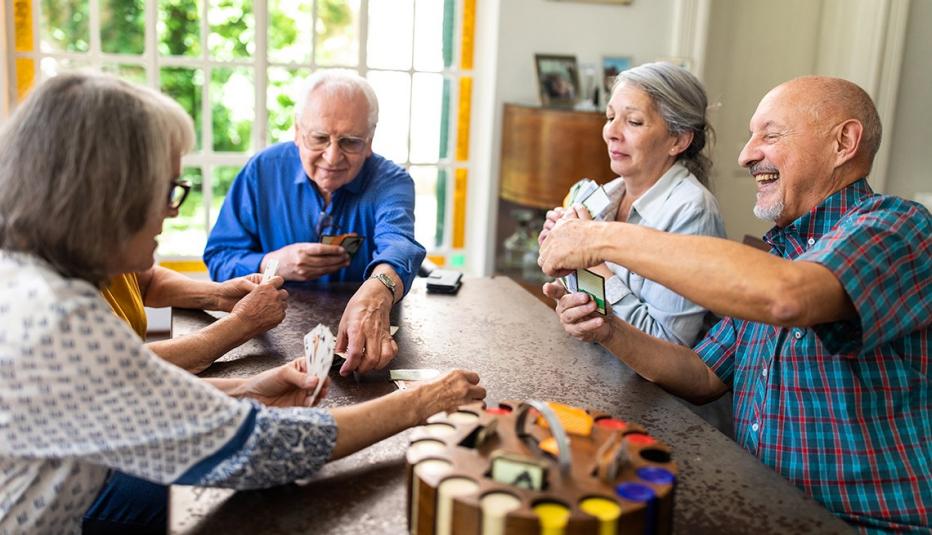
Card games have long been a part of human culture, offering more than just entertainment. Whether it’s a casual round among friends or a competitive match, these games create opportunities for connection, communication, and personal growth. Beyond the shuffle of cards and strategy at play, they quietly build stronger social bonds and enhance interpersonal skills.
Strengthening Social Connections
One of the most immediate benefits of card games is their ability to bring people together. Sitting around a table naturally encourages conversation and interaction.
- Encourages face-to-face interaction in a digital-heavy world
- Builds stronger relationships through shared experiences
- Creates a sense of belonging within groups
Playing regularly with family or friends helps deepen emotional connections and fosters trust over time.
Enhancing Communication Skills
Card games often require players to express ideas, give instructions, or negotiate with others. Even simple games can improve how people communicate.
- Promotes clear verbal communication
- Encourages active listening
- Helps players interpret non-verbal cues like expressions and gestures
These skills are particularly useful in both personal and professional settings.
Teaching Cooperation and Teamwork
Many card games involve partnerships or team-based play. This setup naturally encourages collaboration.
- Players learn to work toward a common goal
- Builds mutual respect among teammates
- Encourages strategic thinking as a group
Working together in a relaxed environment can translate into better teamwork in real-life situations.
Developing Emotional Intelligence
Card games can evoke a range of emotions—from excitement to frustration. Managing these emotions during play is a valuable life skill.
- Helps players practice patience and self-control
- Encourages empathy by understanding others’ reactions
- Teaches how to handle winning and losing gracefully
Over time, players become more emotionally aware and resilient.
Bridging Generational Gaps
Card games are easy to learn and adaptable, making them ideal for players of all ages.
- Creates opportunities for intergenerational bonding
- Encourages knowledge sharing between age groups
- Builds family traditions that last for years
Grandparents, parents, and children can all participate, making it a universal activity.
Reducing Social Anxiety
For individuals who find social interactions challenging, card games offer a structured and low-pressure environment.
- Provides a natural conversation starter
- Reduces awkwardness through shared focus
- Builds confidence in social settings
Over time, this can help individuals feel more comfortable in group interactions.
Encouraging Healthy Competition
Competition in card games is usually friendly, making it a safe space to develop competitive instincts.
- Teaches sportsmanship and fairness
- Encourages respect for opponents
- Motivates players to improve skills
Healthy competition can inspire growth without creating hostility.
Creating Lasting Memories
Some of the most cherished memories are made during simple moments of laughter and play.
- Strengthens emotional bonds through shared joy
- Creates stories and traditions
- Encourages regular social gatherings
These moments contribute to overall happiness and well-being.
FAQs
1. Are card games suitable for all age groups?
Yes, most card games are flexible and can be adapted for different age groups, making them ideal for family settings.
2. Can playing card games improve friendships?
Absolutely. Regular interaction, teamwork, and shared experiences help strengthen friendships over time.
3. Do card games help shy individuals become more social?
Yes, they provide a structured way to interact, which can reduce social pressure and encourage participation.
4. How often should people play card games for social benefits?
Even occasional play can be beneficial, but regular sessions (weekly or monthly) help build stronger connections.
5. Are competitive card games harmful to relationships?
Not if played with the right mindset. Healthy competition promotes respect and understanding when kept friendly.
6. Can card games replace digital social interaction?
While not a complete replacement, they offer deeper, more meaningful face-to-face interactions.
7. What types of card games are best for social bonding?
Simple, interactive games like Uno, Rummy, or Poker-style games are excellent for encouraging conversation and engagement.
